
Dyslexia effects 20% of the population. It’s the most common learning disorder so why is it so difficult for parents to find help for their children who are struggling to read and write? Part of the reason is because dyslexia impacts a child’s educational performance which means that it would need to be considered a specific learning disability by the schools evaluate and treat and while the International Dyslexia Association defines dyslexia as, “a specific learning disability that is neurobiological in origin. It is characterized by difficulties with accurate and/or fluent word recognition and by poor spelling and decoding abilities. These difficulties typically result from a deficit in the phonological component of language that is often unexpected in relation to other cognitive abilities and the provision of effective classroom instruction. Secondary consequences may include problems in reading comprehension and reduced reading experience that can impede growth of vocabulary and background knowledge” (IDA, 2012). Some school administrators classify dyslexia as a medical diagnosis, which is not something they make. It’s all a bit political. But politics aside, dyslexia is rooted in language, it is language-based placing it within the SLP’s scope of practice.
Dyslexia Evaluations & Diagnosis
Research shows that early identification is vital to successful reading and writing. Usually, dyslexia evaluations should occur before 3rd grade but after gaining experience with reading, making end of kindergarten through 2nd grade the optimal time to evaluate. It is important to talk to your primary care provider or reach out to a speech-language pathologist who specializes in dyslexia if you have concerns. Our SLP at Mansfield Pediatric Therapy has spent over 8 years specializing in dyslexia. Over this time, improvements have been made to increase identification of dyslexia in young children. Most recently, the state of Ohio passed House Bill 436 which requires schools to regularly screen for dyslexia. Evaluations for dyslexia should always be comprehensive and look at the following areas:
- Phonological Awareness
- Phonological or Language-Based Memory
- Rapid Automatic Naming
- Receptive Vocabulary
- Phonics Skills
- Decoding
- Real Words
- Nonsense Words
- Oral Reading Fluency
- Single Words
- Sentences and Paragraphs
- Spelling
- Writing
- Sentence Level
- Paragraph Level
Speech-language pathologists are experts in the area of language and they can evaluate all language domains (listening, speaking, reading, writing). This makes them the ideal professional for diagnosing and treating dyslexia.
It is a myth that dyslexia is reading or writing backwards. Individuals with dyslexia do have a difficult time acquiring and utilizing written language. We are all born with the ability to take on spoken language. Written language is a cultural construct of modern history. We are not born with the ability to start taking on symbols and sounds. Our brains don’t just naturally pick out sounds and assign meaning as they do with words in our spoken language. Signs for dyslexia include:
- Learning to speak
- Learning letters and their sounds
- Organizing written and spoken language
- Memorizing number facts
- Difficulty reading quickly enough or too quickly to comprehend
- Persisting with and comprehending longer reading assignments
- Spelling
- Learning a foreign language
- Correctly doing math operations
- Difficulty learning to read
- Difficulty with rhyming, counting syllables (phonological awareness)
- Difficulty hearing & manipulating sounds (phonemic awareness) as well as distinguishing different sounds in words (phonological processing
- Difficulty naming letters rapidly
- Slow, laborious reading
- Difficult putting ideas on paper, may do better when dictating
- Dysgraphia (handwriting) difficulties
- Difficulty proofreading
- Executive function/organization issues
Dyslexia Treatment
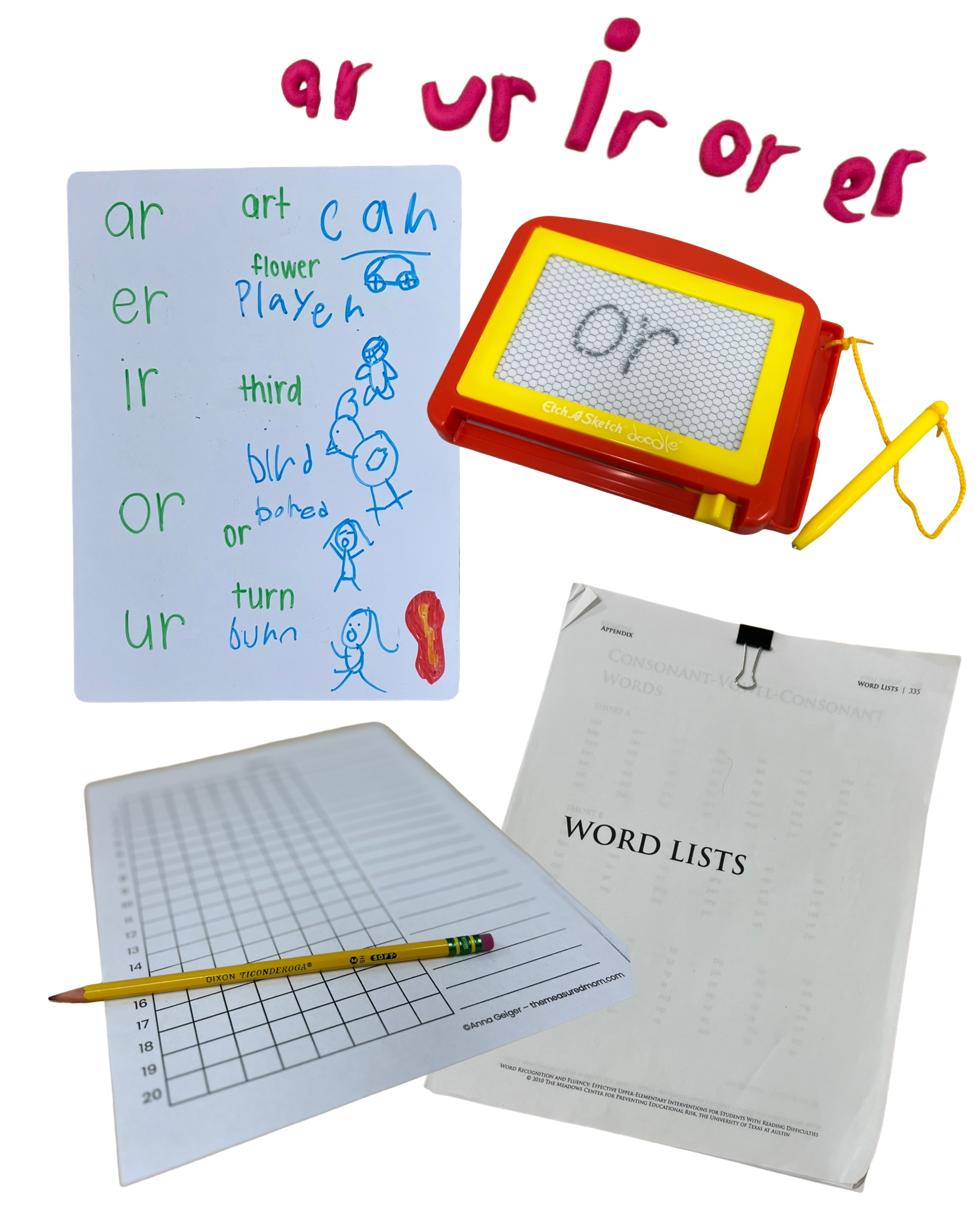
Early identification is key. Systematic, multi-sensory, structured, and explicit instruction is also key. At Mansfield Pediatric Therapy we provide both of these essential things. Our SLP, Amanda Kulka, has completed the Wilson Reading System® Introductory course in addition to numerous other literacy and dyslexia related programs and courses. She is knowledgable in systematic, multi-sensory, structured, and explicit instruction and is working on initiating her certification for becoming an Orton-Gillingham Academy certified practitioner.
Contact Us today to see how speech therapy can help you!
Leave a Reply